Inclusion and City Planning
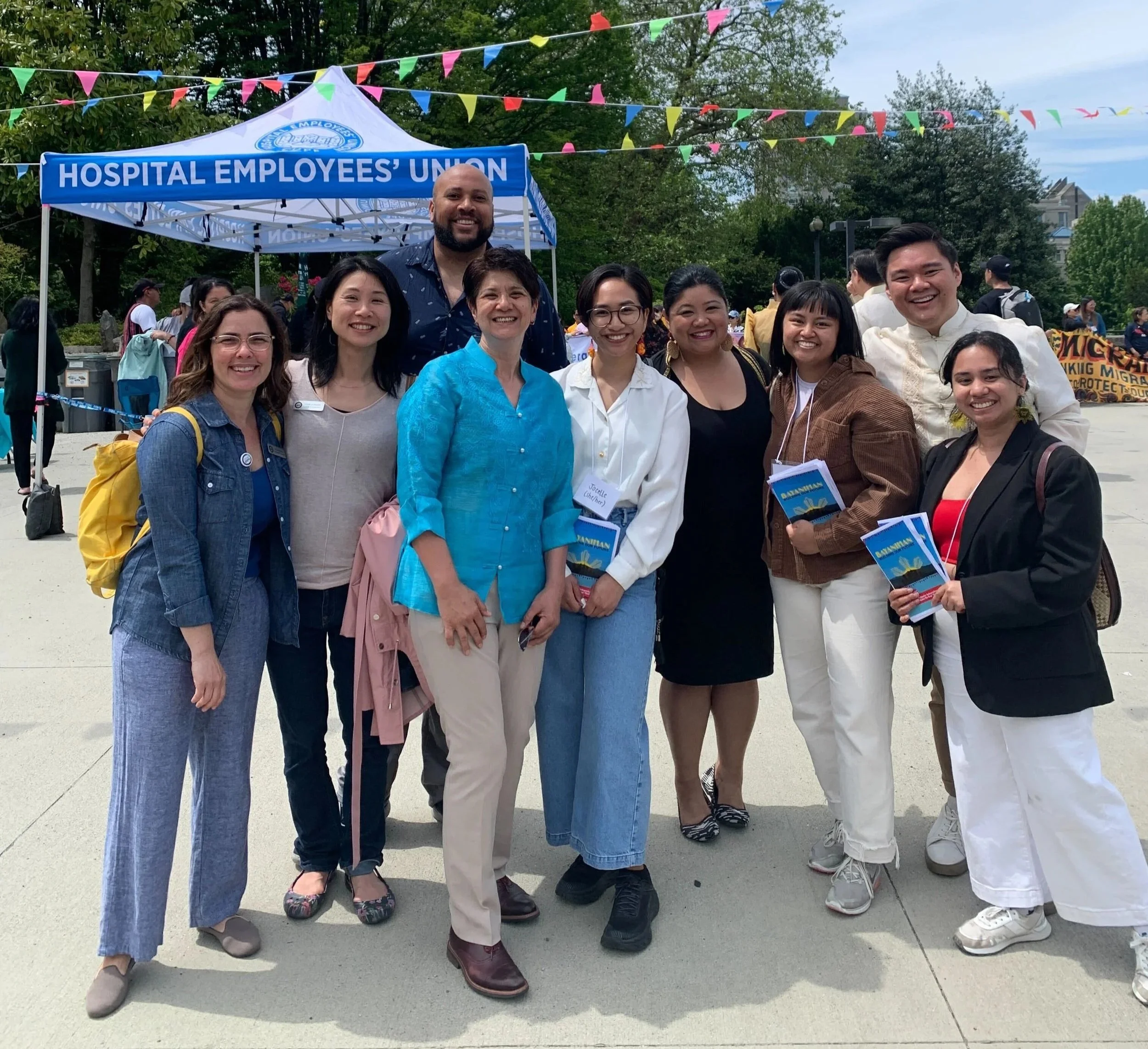
Inclusion isn’t just the right thing to do—it’s smart city-building.
A Deloitte study once summed it up well: inclusive communities are more productive, more innovative, and healthier overall. When people feel like they belong—when barriers are reduced and everyone has a voice—our workplaces, economies, and neighbourhoods thrive together.
These ideas have shaped much of my journey as a planner.
I started my career in urban planning because I wanted to help create safer, more resilient, and more sustainable communities. Over 16 years later—with experience spanning government, non-profit, and private sectors—I’ve seen how the best outcomes come from meaningful collaboration and listening deeply to the people most affected by our decisions.
As a Vancouver-born Chinese-Canadian who speaks Cantonese, I often think about how inclusion looks and feels on a personal level. Growing up, I didn’t always see myself reflected in decision-making spaces. That’s part of why I’m passionate about helping to bridge voices across communities—whether that’s through my work in transportation planning or through the small business I run on the side, helping families reduce toxins in their homes and offering handmade, natural skincare products.
Planning, at its core, is about connection. It’s about understanding how people move, live, and experience their city—and using that knowledge to design systems that work better for everyone.
From developing the future transportation network for the Broadway Plan area to leading a study on reducing exposure to traffic emissions, I’ve learned that every technical challenge is ultimately a human one. It’s about how a parent feels walking their child to school beside a busy road, or how a senior gets to the grocery store safely. It’s about how we make daily life a little easier, fairer, and more sustainable for the people who call this place home.
Now, in my role as a Lead Planner at TransLink, I get to see how decisions ripple across departments, municipalities, and communities. I may not be in a direct decision-making position, but I have a front-row seat to how policy and implementation align—and where we can do better. That perspective helps me identify the opportunities and challenges that truly matter.
And honestly, that’s one of the great privileges of this work: to listen, to learn, and to help shape ideas into action.
Whether I’m talking to residents about transit access, housing, or public space—or juggling life as a planner, parent, and small business owner—I keep coming back to the same truth: inclusion makes everything stronger.
When we plan for everyone, we all move forward together.